

Reviewed · CULTURAL VILLAGE TOURS
Livingstone: Amazing Traditional Village Tour
Muke village gives you a close look at Lozi community life, with a visit to Tusoleke Trust School at the heart of the outing. Alex Jakanani, the school’s founder and vice-chair of the Simonga World Development Committee, guides the visit and explains how local buildings are made, how alcohol is produced, and what daily life is like.
I like the direct contact with local people, and I like that the tour fees support the school. The chance to watch schoolchildren sing and dance adds a warm, memorable moment. The main drawback is simple but important: water is not included, so you need to carry enough for the full 3.5 hours.
Key points to know before you go

- Muke village is about 20 minutes from Livingstone, with pickup and return transport included.
- Alex Jakanani leads the tour, bringing a local connection through his work with the school and community committee.
- Tusoleke Trust School receives the tour profits, giving the outing a clear community purpose.
- You see practical village traditions, including local building methods and alcohol making.
- Children may sing and dance at the school visit, making this more than a simple village walk.
- Bring water, sunscreen, rain gear, and insect repellent, since water is not supplied.
A short ride from Livingstone to Muke village
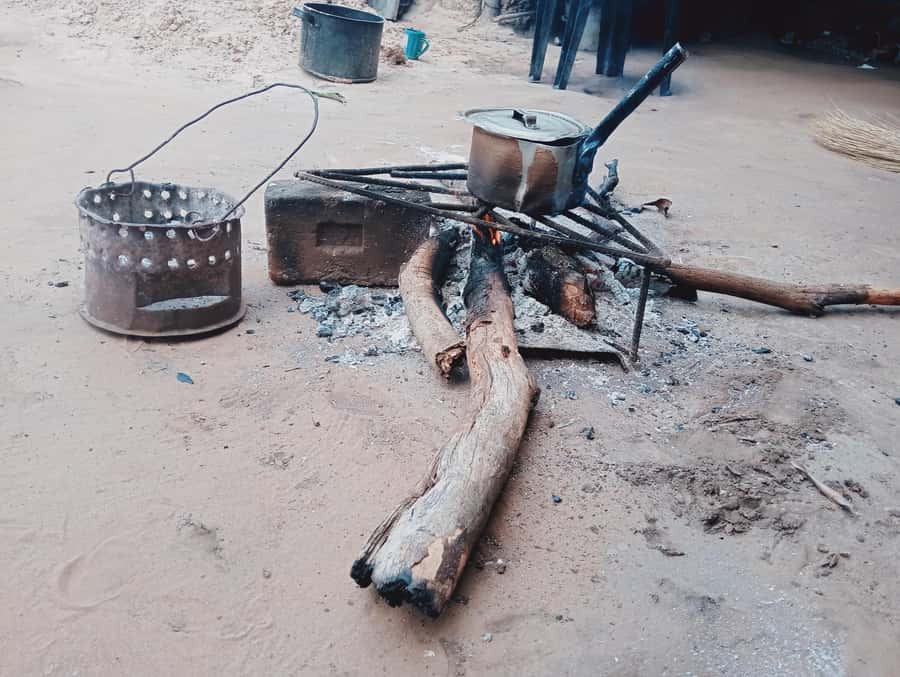
The tour begins with pickup from your hotel or hostel lobby in Livingstone. You are asked to wait there 10 minutes before the scheduled time, and transport to and from the village is included in the $50 price.
The drive takes about 20 minutes, so this is an easy half-day addition to a Livingstone stay. You do not need to arrange a taxi or work out rural transport yourself. That matters here, since the value of the tour is not only the village visit but also the local guide and the support directed to Tusoleke Trust School.
The activity lasts 3.5 hours. That gives you enough time to walk through the community, visit the school, learn about local building and alcohol production, and stop for coffee and tea without turning the outing into a rushed photo stop.
The supplied details describe Muke as a traditional Lozi village near Livingstone. If your booking information uses a different country or regional label, check the pickup details with the provider before you go. The practical point is that the experience operates from Livingstone and includes transport.
Other village visits in Zimbabwe:
- From Victoria Falls: Zimbabwe Traditional Village Tour
★ 4.5 · 57 reviews - Victoria Falls Rural Tour: Village Life Experience
★ 4.5 · 15 reviews - Horse Riding Community Village Tour Experience
★ 5.0 · 13 reviews
Meeting Alex Jakanani and learning the local story
Your guide is Alex Jakanani, the founder of Tusoleke Trust School and vice-chair of the Simonga World Development Committee. Those roles give him a useful link to both education and local development.
That connection changes the feel of the visit. You are not simply being walked past houses by an outside guide. Alex can explain the community in relation to the school, local projects, and everyday life. He also teaches you some Lozi words, a small feature that helps turn a quick visit into a more personal exchange.
I like tours that leave room for questions, and this one appears built around conversation rather than a fixed list of sights. You should expect explanations of the village’s history and customs, with time to meet local people. The private-group format also makes it easier to ask about something you notice instead of staying with a large crowd.
The word traditional can mean different things in different tours. Here, it points to a living community, not a staged museum display. You see how people use local methods and hear how those methods fit into daily life. That is useful context for anyone who wants more than a quick photograph outside Livingstone.
Walking through Muke village
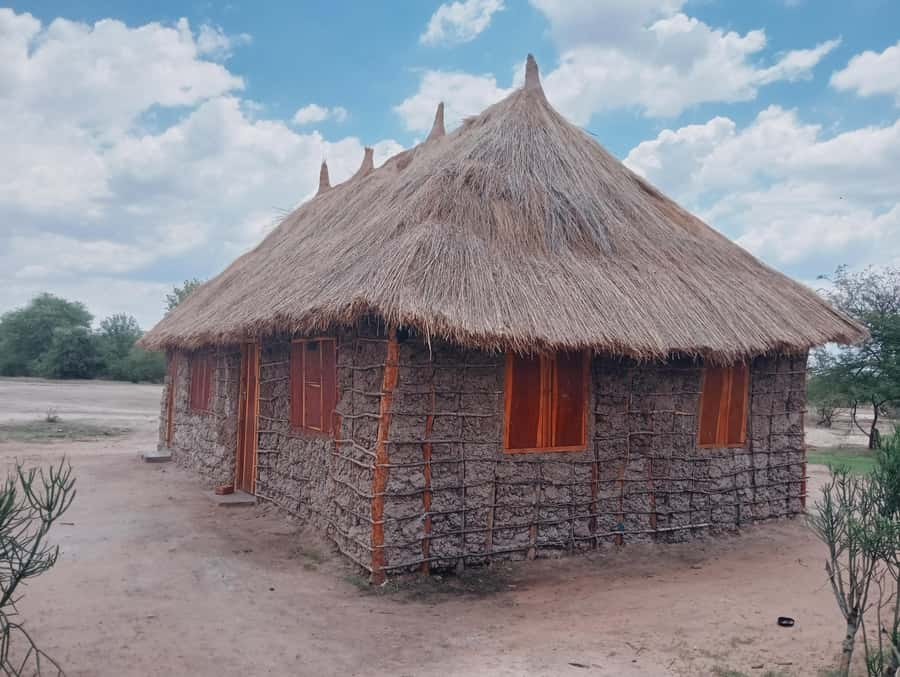
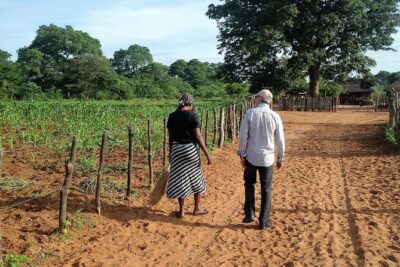
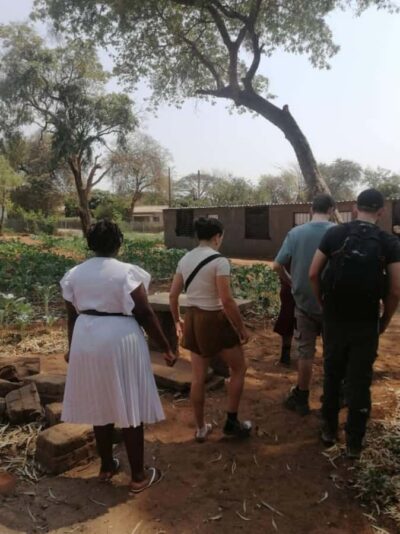
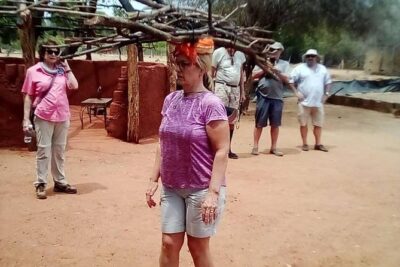
The village walk is the core of the experience. You move through Muke with a guide who explains what you are seeing, introduces local people, and gives context to ordinary buildings and routines.
The visit is designed for contact. You can meet friendly residents, speak with people through your English-speaking guide, and spend time with children. The supplied experience specifically highlights playing with the children, so families and visitors who enjoy relaxed human interaction may find this part especially rewarding.
Still, it is worth keeping your expectations sensible. This is a community visit, not a performance with a large program of scheduled entertainment. The appeal comes from the people you meet and the explanations you receive. Be polite with photography, pay attention to your guide, and treat the village as a home rather than a backdrop.
The walk also gives you a better sense of how local buildings are made. Instead of only seeing finished structures, you learn about the building process and the materials or methods used in the community. For me, this is one of the strongest parts of the tour because it takes a familiar subject, housing, and makes it practical and local.
You may want comfortable walking shoes, although the supplied information does not give a detailed route or terrain description. Sunscreen is sensible, as is rain gear if the forecast looks uncertain. Biodegradable insect repellent is also on the suggested packing list.
Seeing traditional buildings take shape
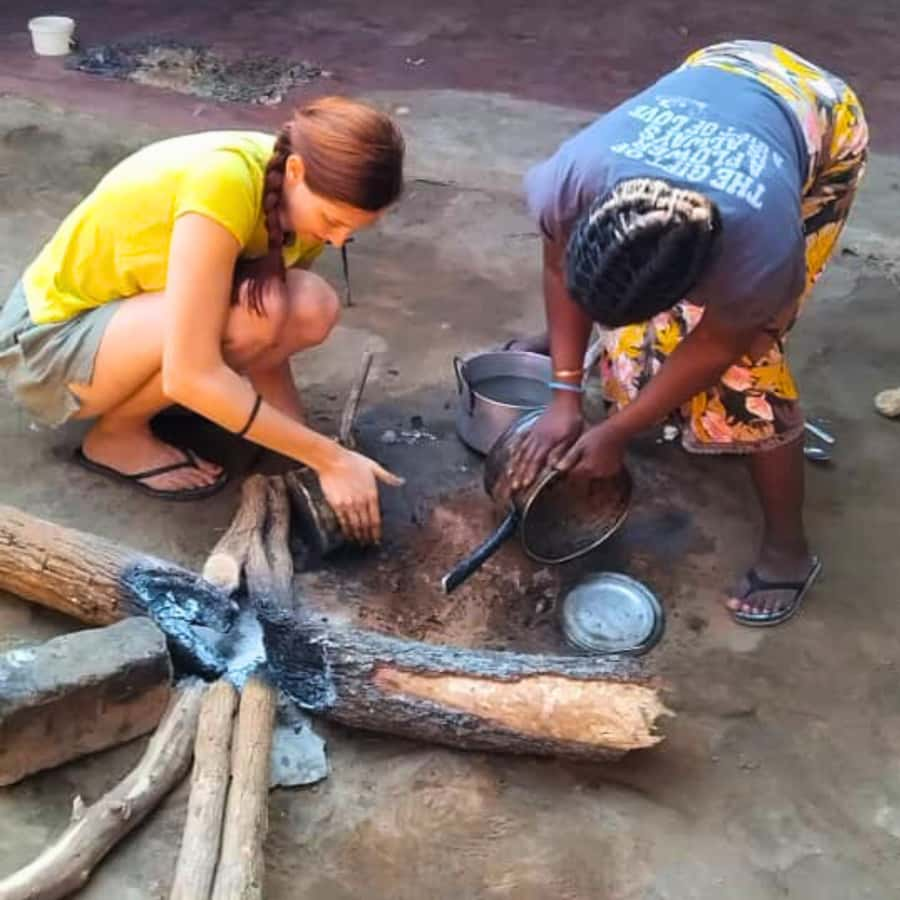
The building demonstration adds useful detail to the village walk. You learn how local structures are built, rather than simply hearing that they are traditional.
That distinction matters. A building can look interesting from the outside, but an explanation of its construction shows the decisions behind it. You gain a better idea of how local knowledge is passed on and how homes or other structures fit the setting.
The activity does not promise a hands-on construction workshop, so I would expect a guided explanation and viewing rather than a chance to build something yourself. If you are curious about materials, labor, or why a certain design is used, ask Alex while you are there. The private-group setting should make those questions easier.
This stop will suit you if you enjoy small details. It is less about a famous sight and more about understanding the practical skills that shape village life. It also gives you something to remember beyond pictures of people and buildings.
Same base, a different sort of day:
- Helicopter Scenic Flight over Victoria Falls 12-13 minutes Flight
★ 5.0 · 1,391 reviews - Victoria Falls: Dinner Cruise on the Zambezi River
★ 4.9 · 925 reviews - Victoria Falls: Chobe National Park Day Trip with Lunch
★ 4.7 · 518 reviews - Dinner Cruise on the Zambezi River
★ 5.0 · 518 reviews
Learning how local alcohol is made

Another distinctive part of the visit is the explanation of how local alcohol is made. This is an unusual subject for a short village tour, and it gives you a glimpse of a local process that you would not normally see on a standard Livingstone sightseeing route.
The description says you will learn how the alcohol is made. It does not promise a tasting, so do not assume that sampling alcohol is part of the price. The included refreshments are coffee and tea.
I appreciate the way this topic sits alongside the building demonstration. One shows how people create their physical surroundings; the other looks at a local food or drink tradition. Together, they give the tour a broader view of community life.
Ask questions if the process interests you, but let your guide set the pace and boundaries. The goal is learning about the practice, not turning the visit into a drinking session.
Tusoleke Trust School and the people behind it
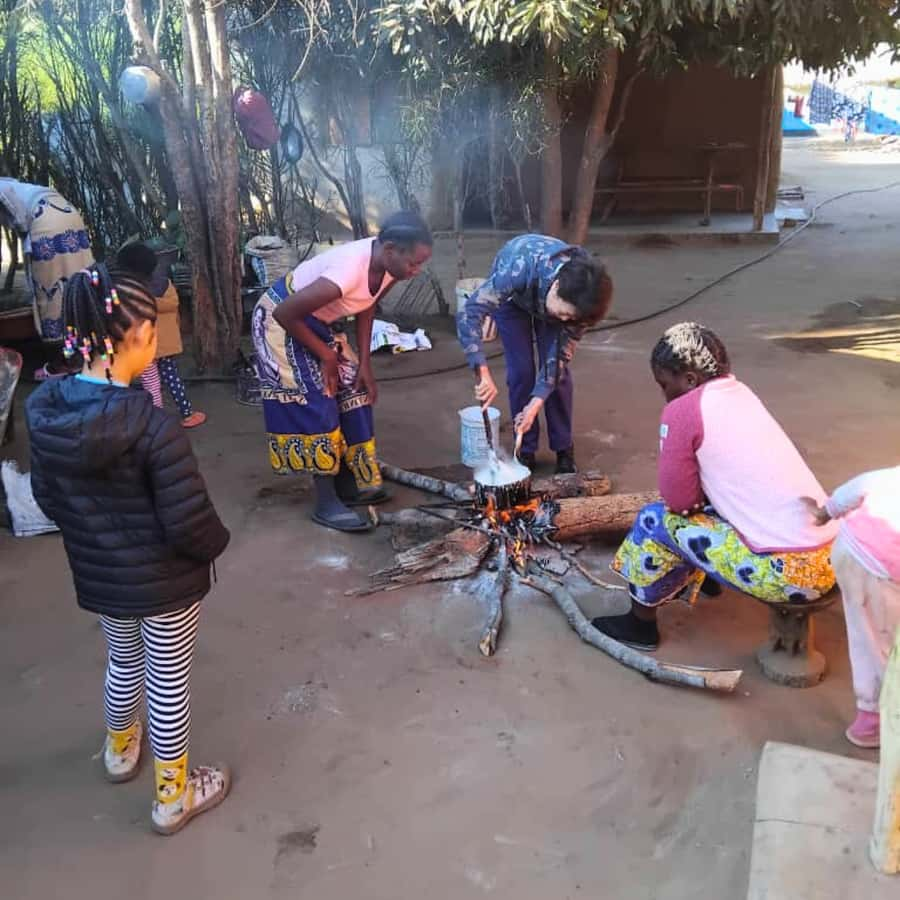
The school visit gives the tour its clearest community purpose. All profits from the village tours go directly to helping Tusoleke Trust School, and Alex founded the school.
You visit the school during the tour and learn more about its role in the community. For many people, this will be the most meaningful stop because the $50 fee has a stated local benefit rather than going only toward transport and guiding.
The school visit can also be lively. You may watch children sing and dance, as part of the welcome described for this experience. That moment can be joyful, but it is best approached with respect. The children are at school, not performing solely for tourists, so follow your guide’s instructions about photos and interaction.
Families may particularly enjoy this part, although parents should remember that the activity is still a village and school visit rather than a dedicated children’s attraction. Adults interested in education, local development, and community-led projects may find the school connection just as important.
I also like that the school is not treated as an afterthought. It is tied to the tour’s purpose, the guide’s work, and the use of the proceeds. That makes the experience easier to understand and gives you a clearer reason to choose it over a standard sightseeing drive.
Coffee, tea, and a useful packing list
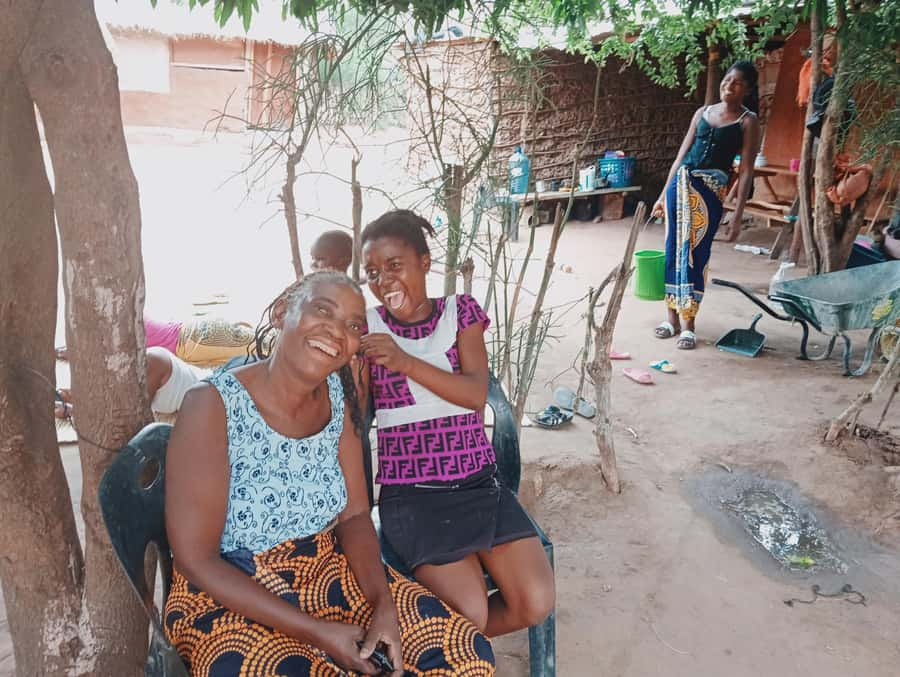
Coffee and tea are included, giving you a simple pause during the visit. These drinks offer time to sit, talk, and think about what you have seen rather than moving from one explanation to the next.
Water is not included. This is the most important practical warning in the entire experience. Bring enough water for all 3.5 hours, especially if you are visiting in warm weather. Do not count on coffee or tea to replace it.
Pack:
- Plenty of drinking water
- Sunscreen
- Biodegradable insect repellent
- Rain gear
- Comfortable clothes for a village walk
The activity information does not specify food, so plan as if coffee and tea are the only refreshments provided. If you need snacks, confirm with the provider or bring your own.
Is $50 a fair price?
At $50 per person, this is not just a short transfer to a nearby village. The price includes transport from Livingstone, an English-speaking local guide, the village walk, the school visit, explanations of building and alcohol making, Lozi language instruction, and coffee and tea.
The strongest value comes from the private-group format and the community purpose. You are paying for a guided local experience and helping Tusoleke Trust School through the tour’s profits. If supporting a school and meeting people directly matter to you, the price is easier to justify.
The value is less clear if you mainly want a major landmark, a long cultural performance, or a full meal. This is a compact, community-based outing. Its success depends on your interest in conversation, local customs, and everyday life.
I would also compare it with the cost of arranging transport and a guide separately. Since return transport is included, the $50 covers more than admission to a village. It removes some practical work and gives you a direct point of contact through Alex.
The published rating is 4.7 from four verified bookings. That is a positive signal, but it is still a small number of responses. I would use it as a helpful indication, not as the only reason to book.
Who will enjoy this village visit?
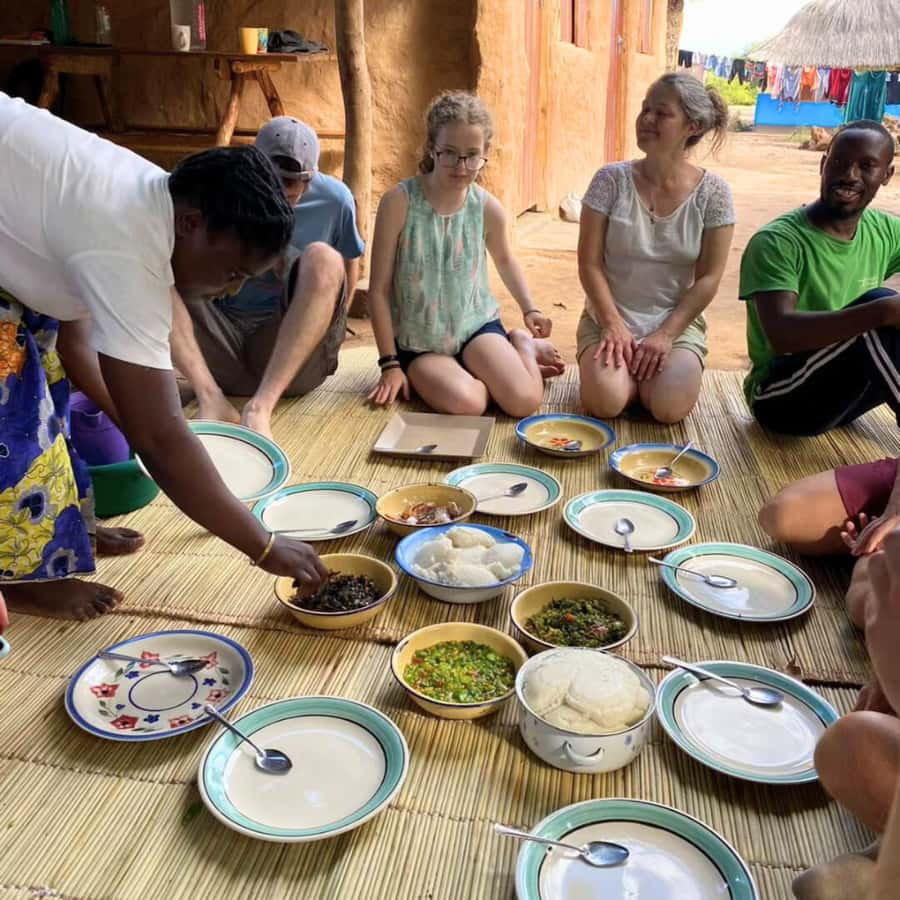
I would recommend the tour to you if you want:
- A short cultural outing from Livingstone
- Direct contact with a local community
- A private group rather than a large shared party
- A guide connected to local education and development
- A school visit with a clear community benefit
- Practical information about buildings and local alcohol making
- A gentle introduction to Lozi words and customs
It may be less suitable if you prefer a tightly timed sightseeing schedule or dislike informal social contact. The experience centers on people, conversation, and observation. It is not designed around a famous monument or a long list of photo stops.
Families may enjoy meeting the children, but the tour is not described as a child-only activity. Older children who can listen and show respect should have plenty to take from the school and village visit.
Booking details worth noting
The tour is offered as a private group, with an English-speaking guide. You can cancel up to 24 hours before the activity for a full refund, and the reserve-now, pay-later option lets you hold a place without paying immediately.
Check the available starting times when booking. Pickup is included, but you should be in your hotel or hostel lobby 10 minutes before the scheduled pickup.
Most important, confirm that your accommodation is within the pickup area if you are unsure. The supplied information says pickup is from Livingstone hotels and hostels, but it does not list every property or exact boundary.
Should you book the Muke village tour?
Book it if you want a human-scale experience close to Livingstone and like the idea of your fee helping a local school. The school visit, Alex Jakanani’s local connection, the Lozi language lesson, and the building and alcohol demonstrations give the 3.5 hours a clear purpose.
Skip it if you want a major attraction, a meal, or a formal cultural show. The tour asks you to be curious, respectful, and comfortable with an experience shaped by the community rather than by a polished sightseeing script.
My practical verdict is positive. Bring plenty of water, keep an open mind, and choose this outing for its people and community link. At $50, it offers solid value for a private half-day visit that combines local contact with direct support for Tusoleke Trust School.
FAQ
Where is the traditional village tour located?
The tour visits Muke village, a traditional Lozi village about 20 minutes from Livingstone.
How long does the experience last?
The tour lasts 3.5 hours.
Is transportation from Livingstone included?
Yes. Transportation to and from Livingstone is included, with pickup from your hotel or hostel.
Who guides the village visit?
The guide is Alex Jakanani, vice-chair of the Simonga World Development Committee and founder of Tusoleke Trust School.
What language is the tour conducted in?
The live tour guide speaks English.
Is this a private tour?
Yes. The activity is offered for a private group.
What will I see during the village walk?
You will learn about life in the village, see traditional buildings, and learn how local buildings are built. The tour also includes information about how local alcohol is made.
Does the tour visit a school?
Yes. You will visit Tusoleke Trust School, and the tour profits go directly toward helping the school.
What should I bring?
Bring enough water for the entire trip, along with sunscreen, rain gear, and biodegradable insect repellent. Coffee and tea are included, but water is not.
Just added in Zimbabwe
- Zambezi National Park Private Wildlife Safari (4 – 10 hours)★ 4.9 · 9 reviews
- Victoria Falls: Zambezi River White Water Rafting Experience★ 5.0 · 7 reviews
- Zambezi River: Kid-Friendly Whitewater Rafting★ 5.0 · 3 reviews
- Zimbabwe: Sundowner Cruise (Standard) Zambezi River★ 4.8 · 5 reviews
- Victoria Falls: Village Tour with Traditional Food Tasting★ 4.0 · 3 reviews
- Zambezi 3hr Game Drive★ 4.6 · 5 reviews
- Victoria Falls Village Cultural Tour – Authentic Experience★ 5.0 · 3 reviews
- Victoria Falls: Vulture Safari and Bush Walk★ 5.0 · 5 reviews
Cultural Village Tours, compared.

Victoria Falls Rural Tour: Village Life Experience
Read our review →
Cultural Village Tour,Interacting With the Communal Villagers (Educational Trip)
Read our review →
Browse the lists this tour appears in